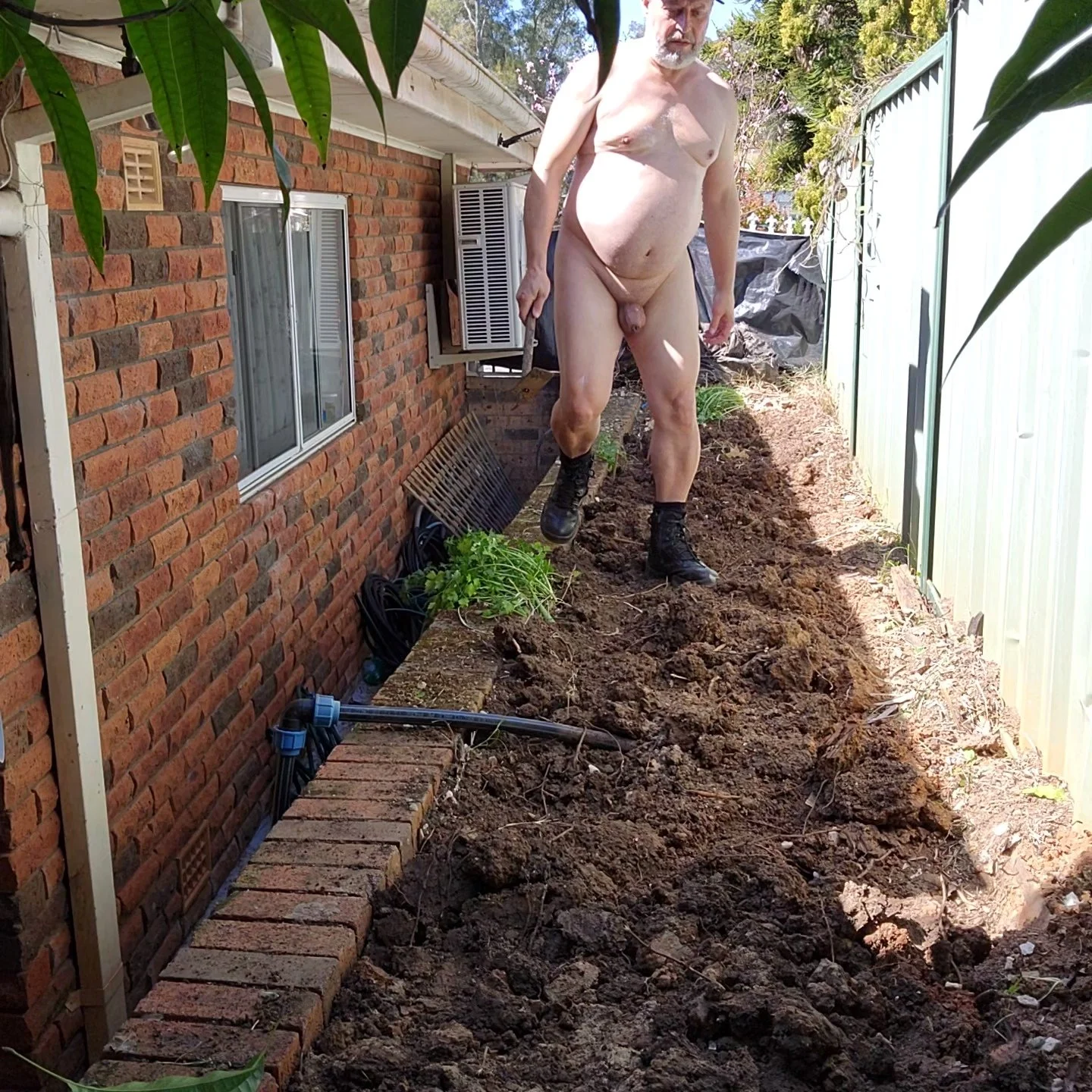
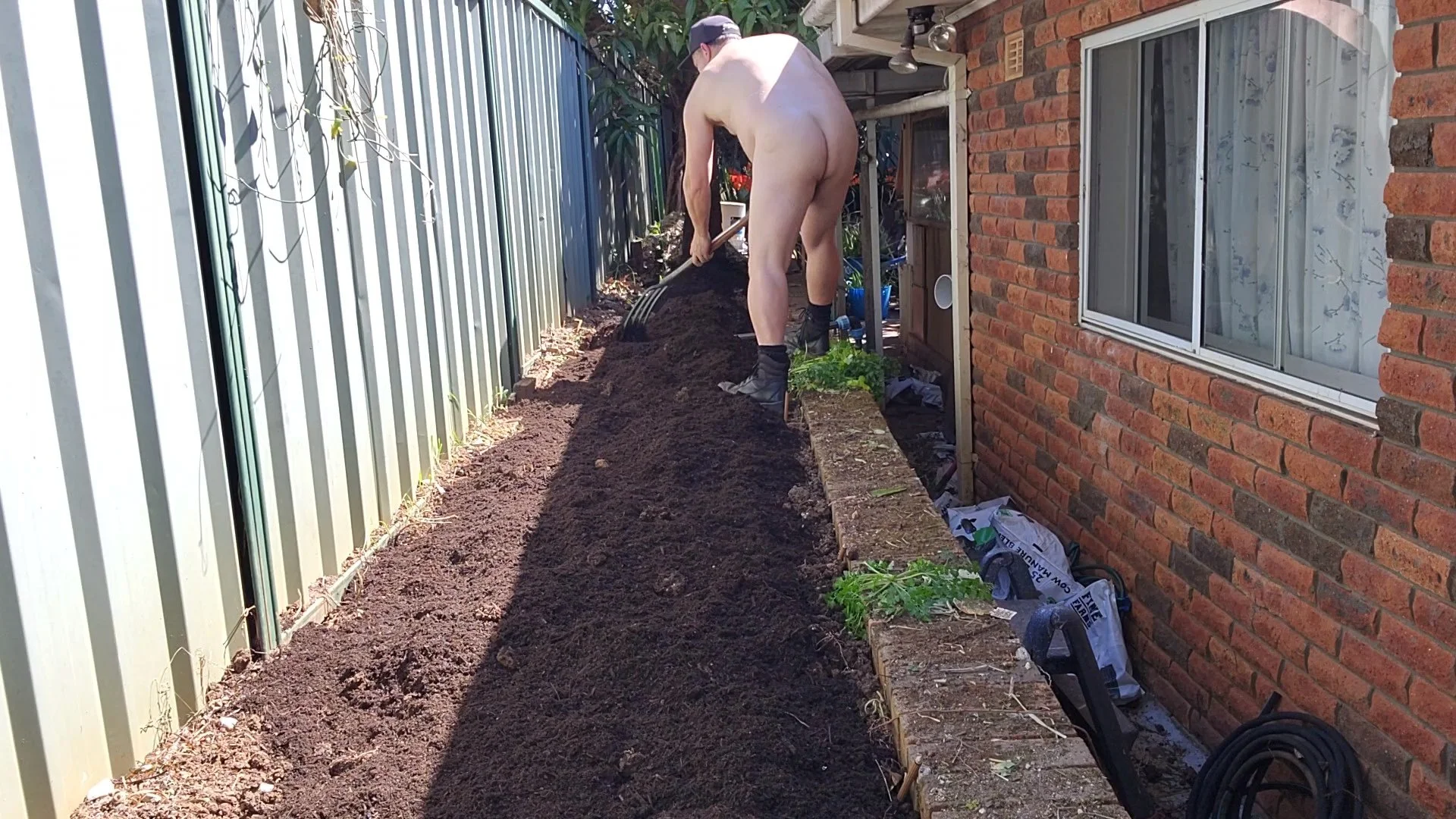
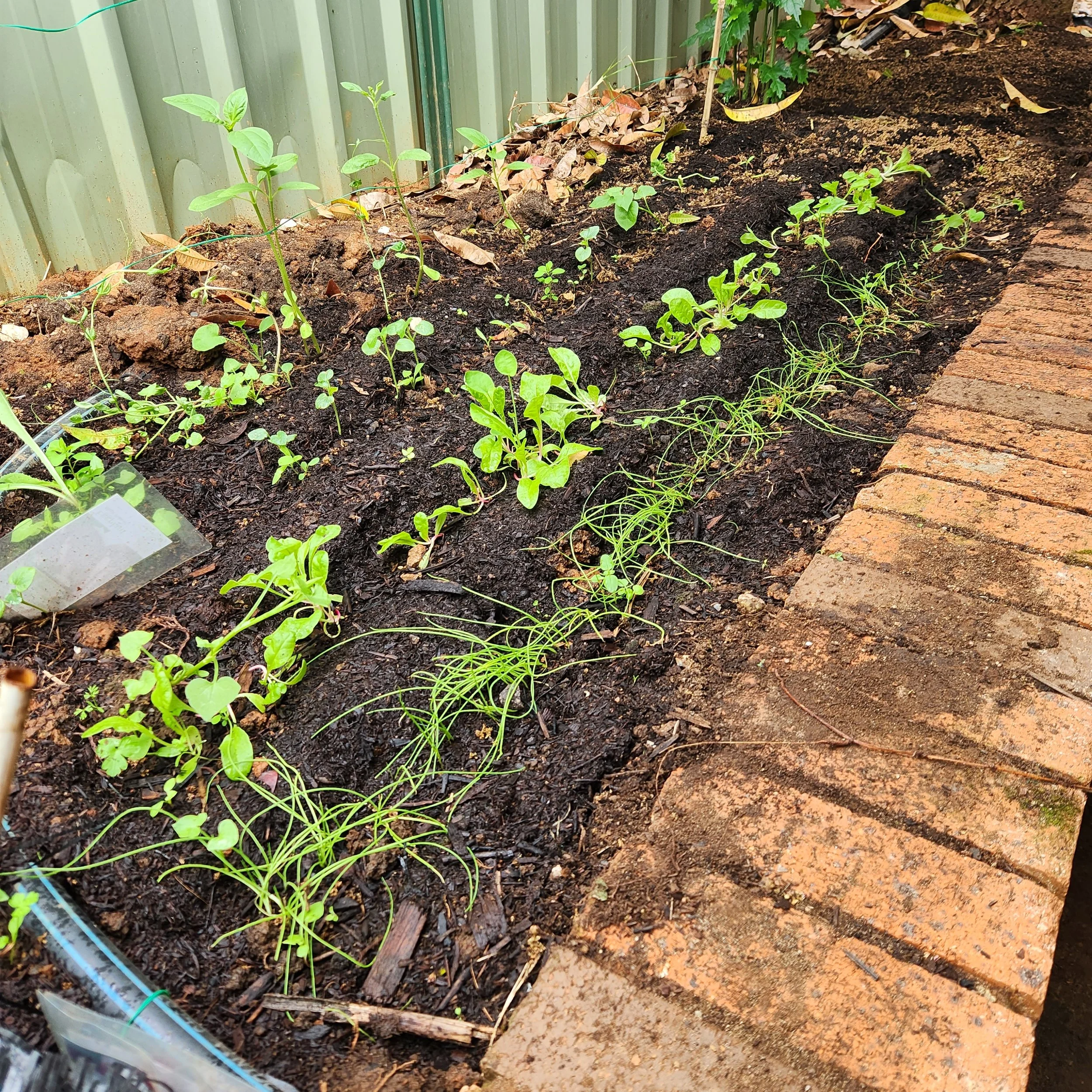
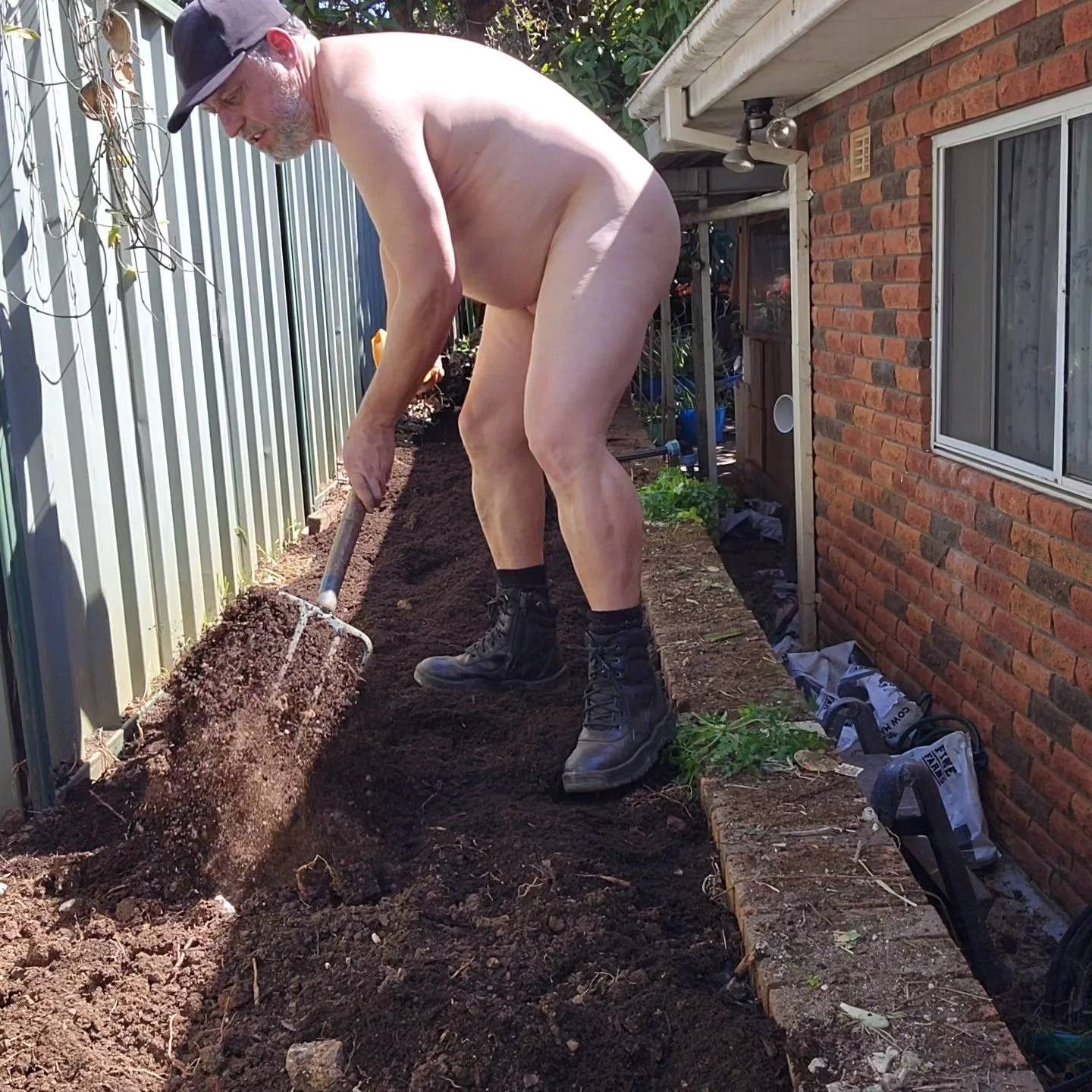
Weeds to Naturism: A Different Way of Seeing
Context
This article was originally published in the H&E Naturist magazine - May 2026 edition (p14–15). Shared for educational and informational purposes.
It is shared here as part of NaturismRE’s public education initiative, with the aim of supporting broader understanding of naturism through accessible, real-world analogies.
Article
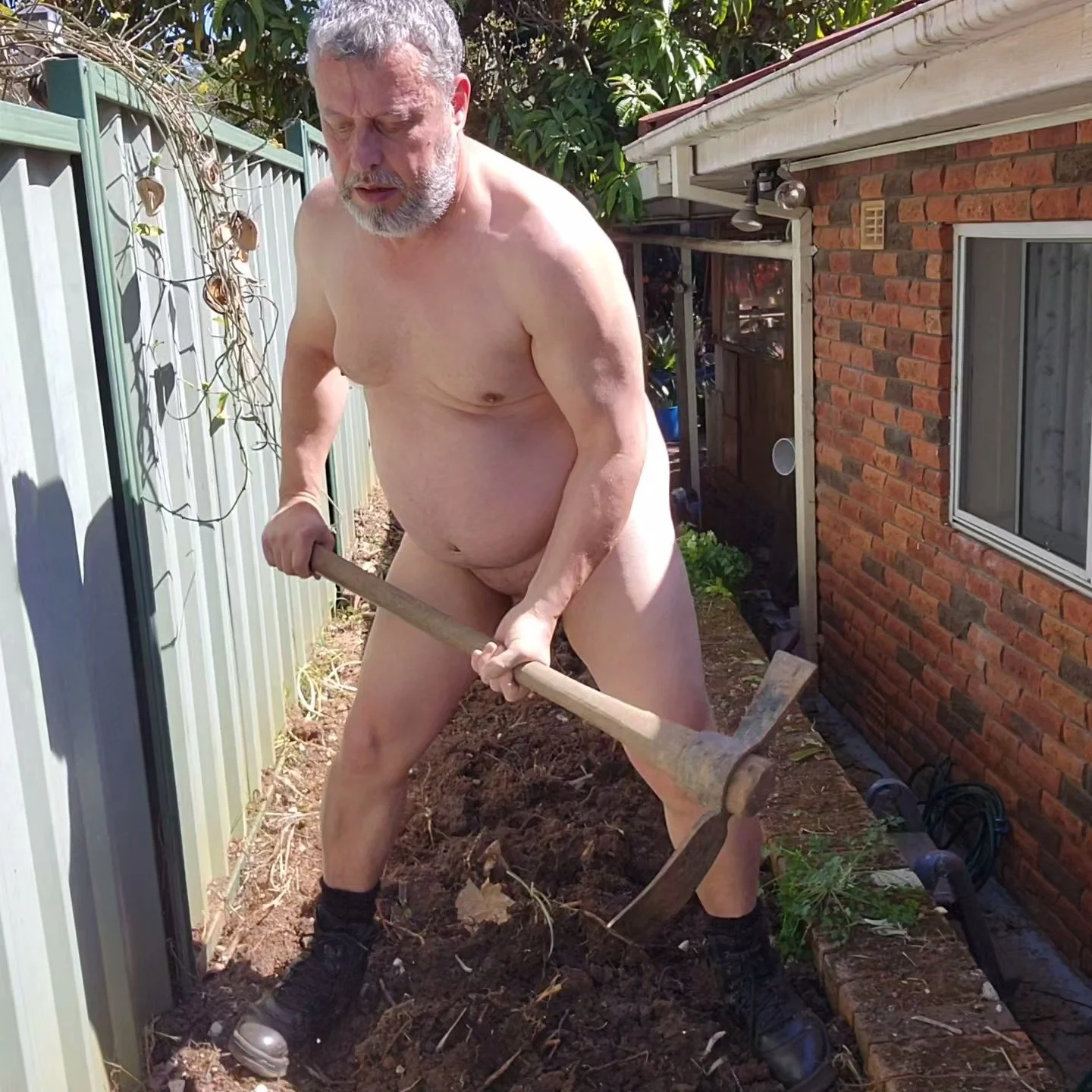
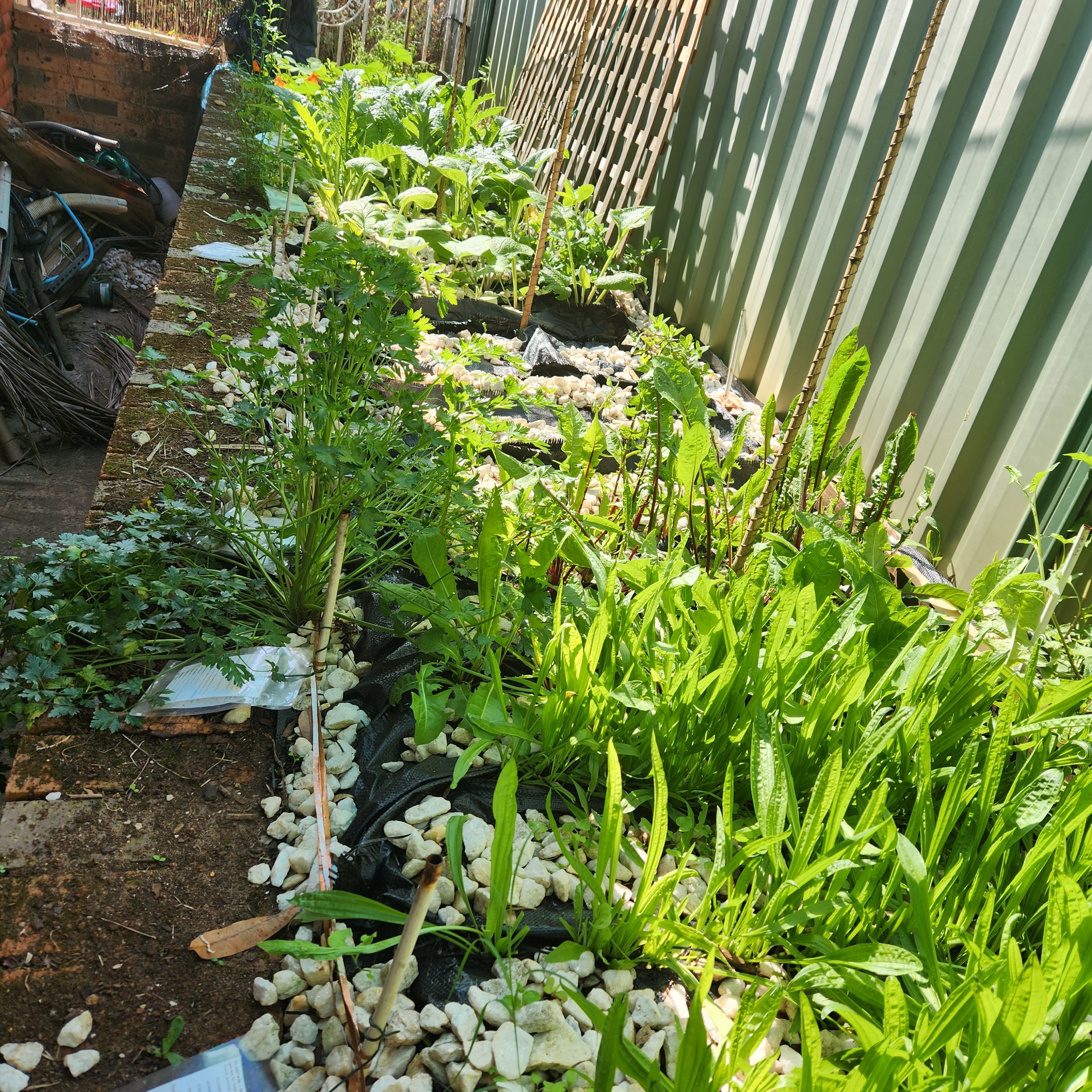
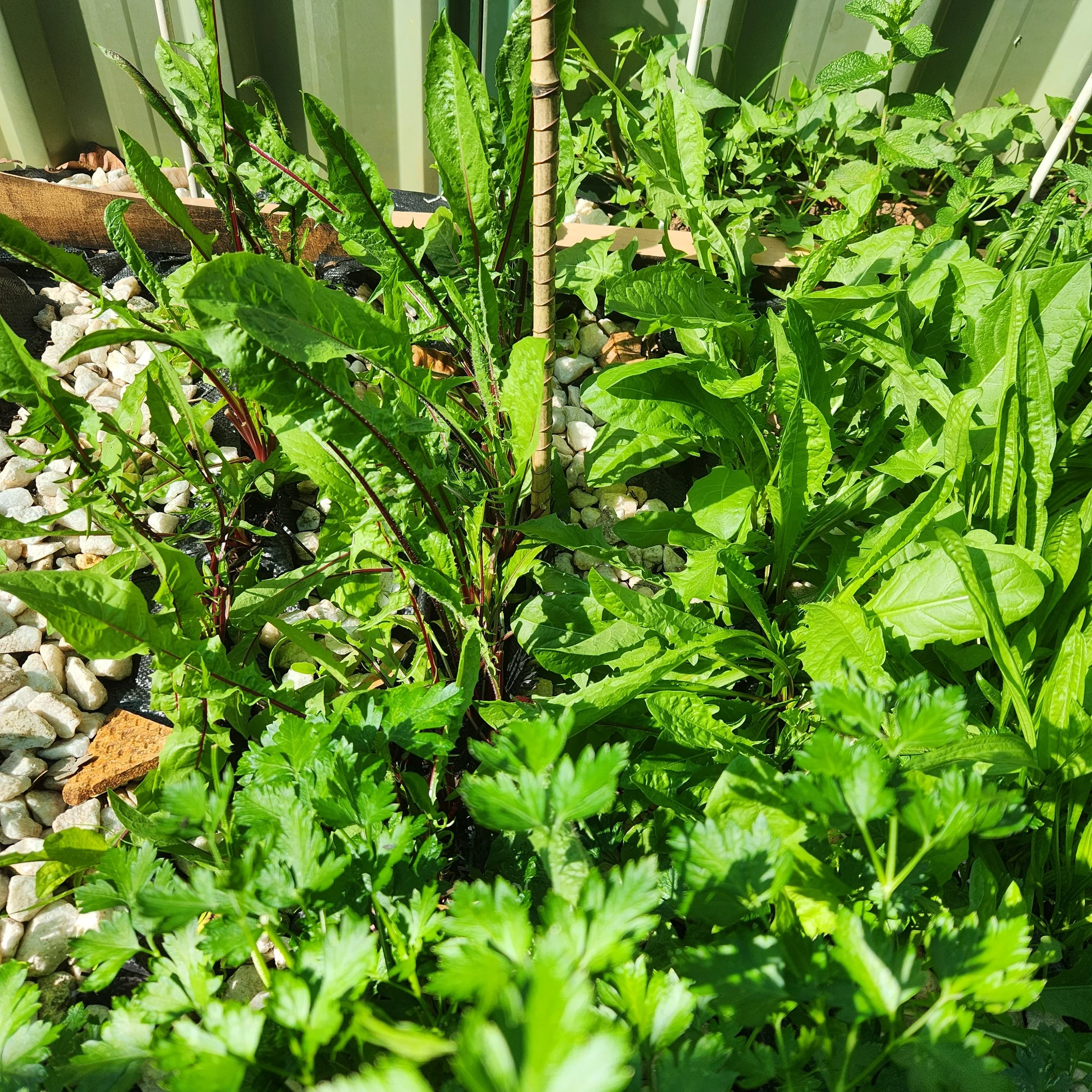
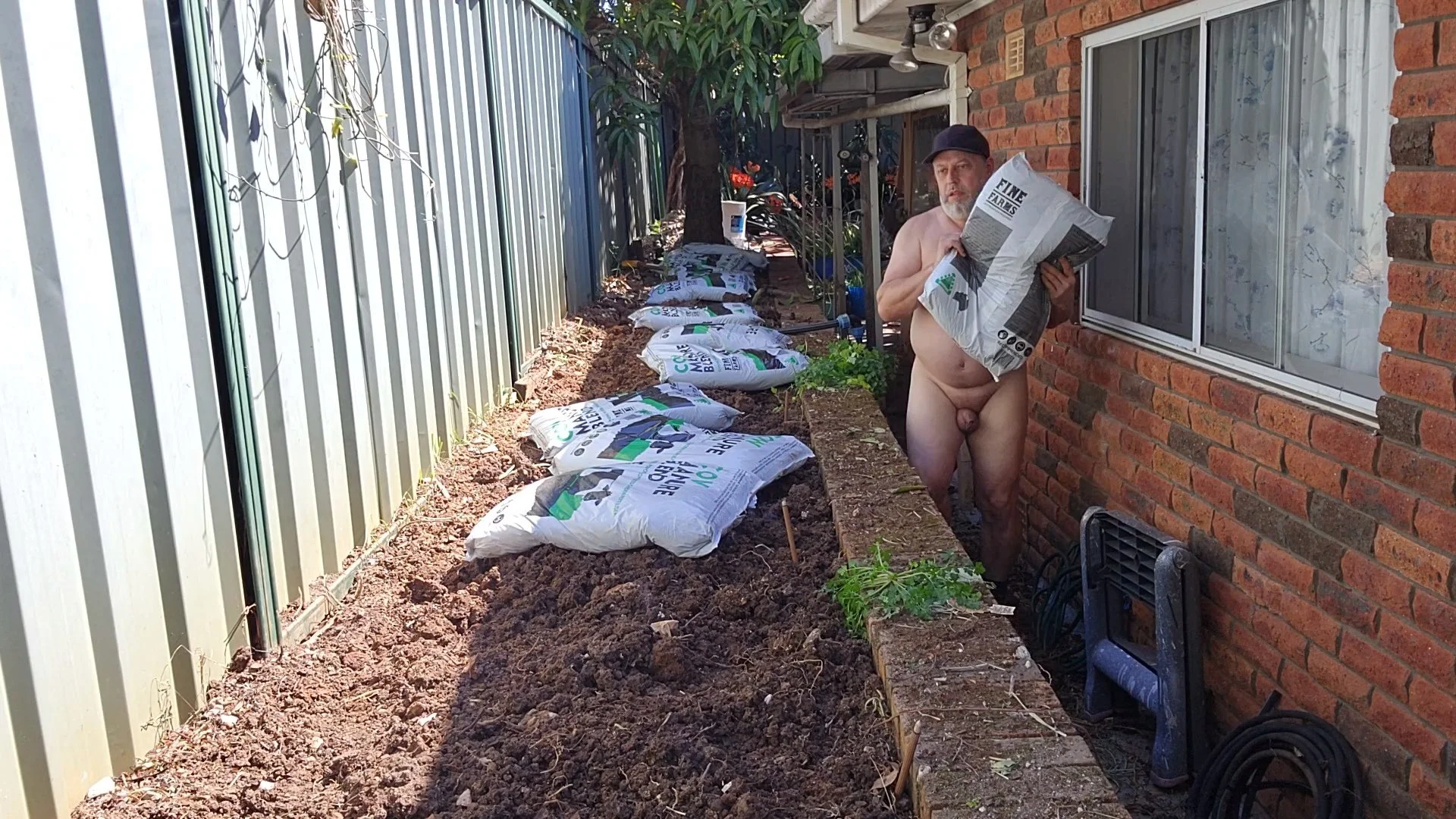
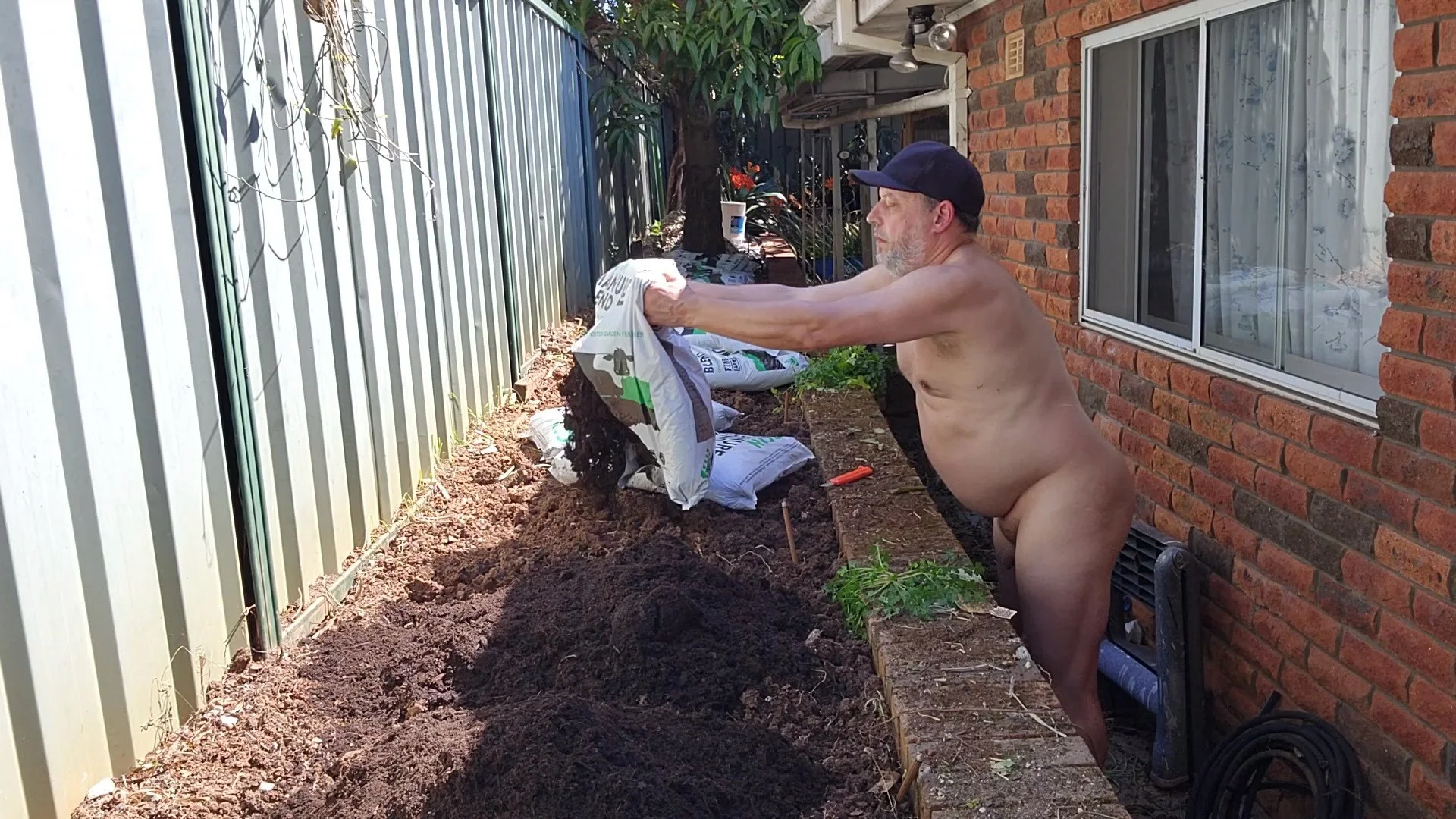
In gardening, some plants are labelled “weeds” and removed without thought.
They appear where they are not expected. They do not fit the intended design. They are often seen as invasive, undesirable, or disruptive.
Yet many of these same plants have real value.
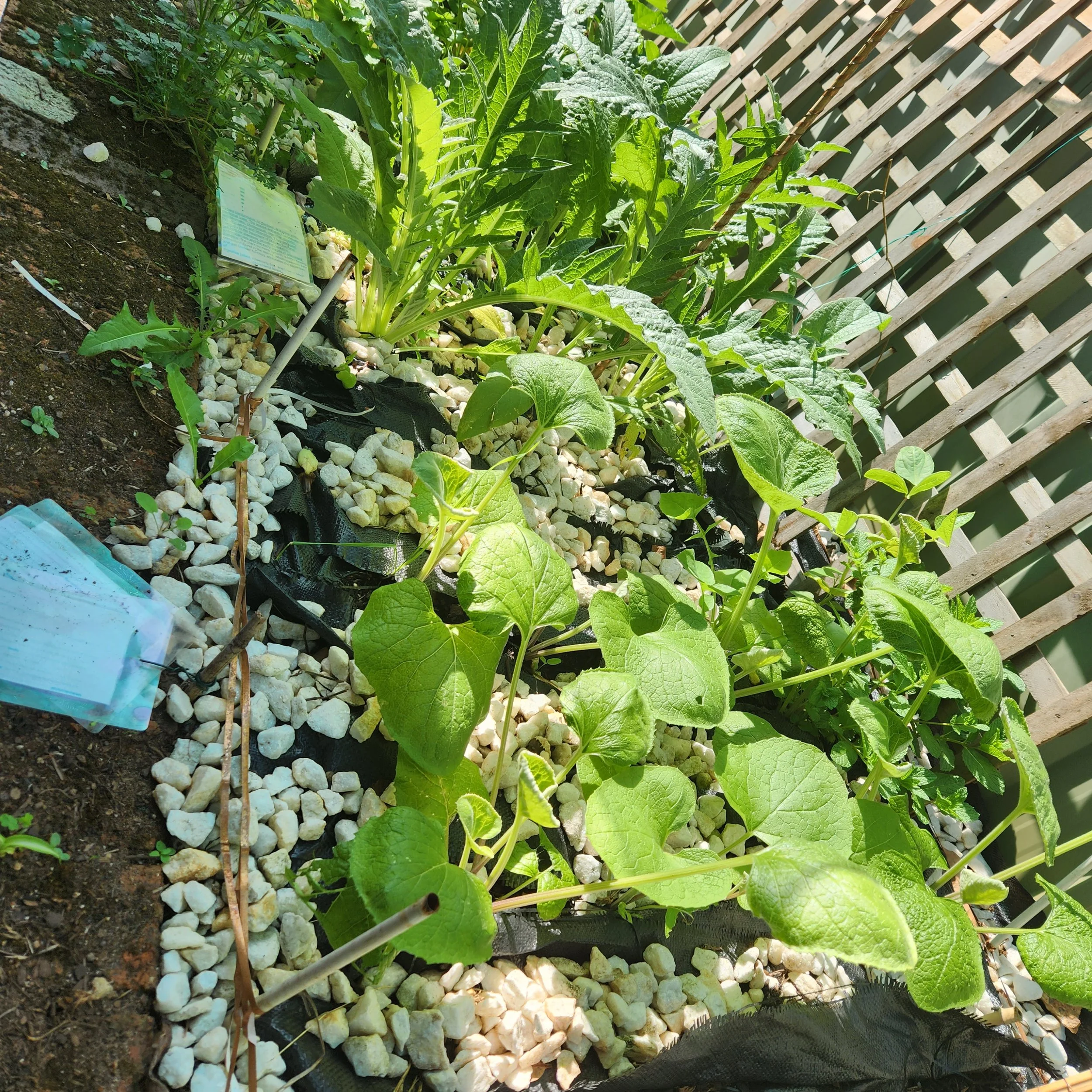
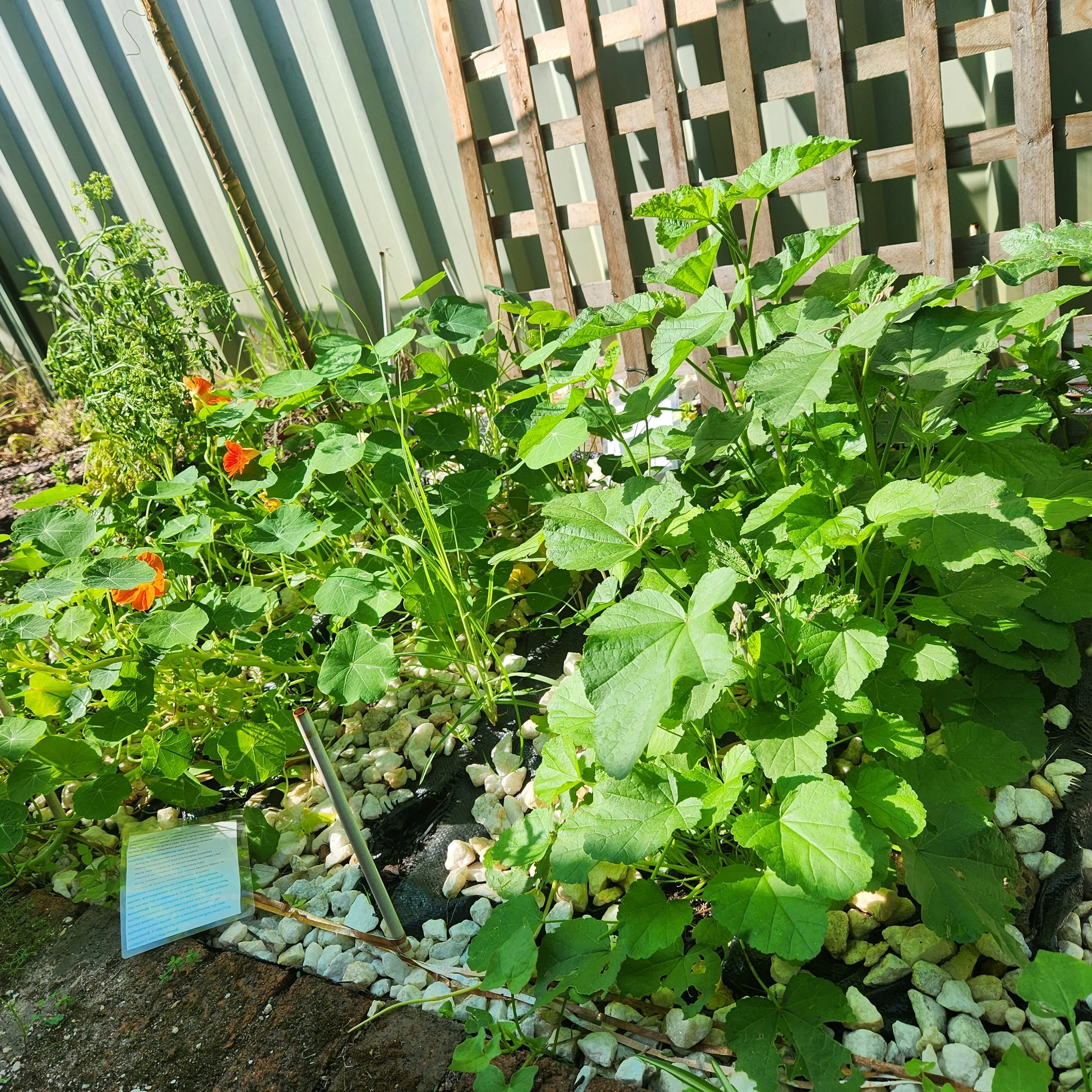
Some are resilient species that stabilise soil. Others support pollinators. Many have recognised uses in traditional practices, including medicinal applications. Their classification as “weeds” is not a reflection of intrinsic harm, but rather a judgement based on context, expectation, and perception.
Naturism is often treated in a similar way.
It is dismissed before it is examined.
Misunderstood before it is experienced.
Removed from the conversation before it is properly defined.
In many societies, public nudity is automatically associated with indecency or inappropriate behaviour, regardless of context. This association tends to override more nuanced considerations, including intent, environment, and behavioural standards.
However, when examined more closely, naturism is also associated with a range of outcomes that are increasingly discussed in relation to health and wellbeing.
These may include improved body acceptance, reduced social comparison, increased engagement with natural environments, and opportunities for physical activity in outdoor settings. For some individuals, it also provides a framework for reconnecting with the body in a non-judgemental way.
As with the plants labelled as weeds, the issue may not lie in the subject itself, but in how it has been categorised.
Perception plays a central role.
Once something is labelled negatively, it becomes easier to dismiss, exclude, or regulate without further consideration. Over time, these perceptions can become embedded, shaping both individual attitudes and broader policy approaches.
This does not mean that all environments are appropriate for all practices, nor that boundaries should not exist. Rather, it highlights the importance of distinguishing between behaviour and assumption, and of creating space for informed discussion.
Sometimes, the question is not whether something has value.
It is whether we have taken the time to look beyond the label.
This perspective aligns with broader observations collected through the NRE Health Institute, where perception, behaviour, and context consistently emerge as central variables in how naturism is understood and evaluated.
Why This Matters
The comparison between gardening and naturism is not intended to simplify the topic, but to illustrate a broader pattern in how societies categorise and respond to unfamiliar or misunderstood practices.
As public conversations around health, wellbeing, and access to nature continue to evolve, there is increasing relevance in examining how perception influences acceptance, regulation, and participation.
Naturism, when approached through a behavioural and contextual framework, raises questions that extend beyond nudity itself:
How do social norms form and persist?
What distinguishes perception from measurable impact?
How can environments be structured to support both individual choice and public clarity?
These are not questions of ideology, but of observation, data, and societal evolution.
From Perception to Policy
Perception does not remain theoretical.
It directly influences how laws are written, how spaces are designated, and how individuals experience access or restriction.
Where naturism is perceived primarily through the lens of indecency, it is more likely to be restricted.
Where it is understood within a behavioural and contextual framework, it becomes possible to structure environments that are clear, safe, and functional for all.
This transition, from perception to structured understanding, is central to current discussions around public access, designated zones, and health-oriented approaches.
Contribute to the Data
NaturismRE (NRE) Health Institute is currently conducting the Standardised Stigma Measure (SSM), a global, anonymous survey examining public perception, participation, and barriers related to naturism.
Participation is open to all perspectives.
www.naturismre.com/ssm