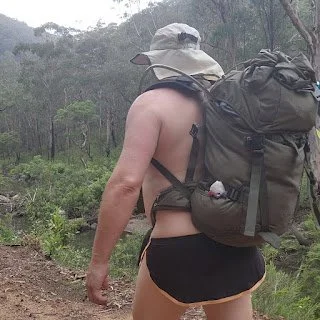
Textiles and Naturists: A Nude Hiking Perspective
For those who embrace a clothing-optional lifestyle, being in nature without unnecessary barriers can be a deeply rewarding experience. The warmth of the sun, the movement of air across the skin, and the direct connection with the environment are often cited as key elements of naturist practice.
At the same time, it is important to recognise that not everyone shares this perspective. Within naturist terminology, individuals who prefer to remain clothed are often referred to as “textiles.” This distinction is not one of opposition, but of choice.
Respect as a Shared Principle
A fundamental principle of naturism is mutual respect.
Just as naturists value the freedom to be unclothed in appropriate settings, it is equally important to respect the comfort and expectations of others. This becomes particularly relevant in shared or public environments, such as national parks or walking trails.
Responsible practice involves:
awareness of surroundings
consideration of other users
readiness to adapt when necessary
Adapting to Context
In more frequented areas, or where encounters are likely, it may be appropriate to wear minimal clothing or carry a covering option.
In more remote or clearly suitable environments, individuals may choose to engage in clothing-optional practices more freely.
This flexible approach helps balance:
personal freedom
social awareness
environmental context
Practical Preparedness
Experienced naturists often adopt simple strategies to remain respectful and adaptable, such as:
carrying a lightweight covering
selecting appropriate locations and times
remaining attentive to trail usage
These measures help ensure that interactions remain comfortable for all parties.
Public Interactions
Experiences with other hikers can vary depending on context, location, and approach.
In many cases, calm and respectful behaviour can:
reduce misunderstandings
encourage neutral or positive interactions
open constructive conversations
Curiosity is often more common than confrontation when interactions are handled appropriately.
A Personal Experience
During a quiet weekday walk in Dharawal National Park, an unexpected encounter occurred on a remote trail.
Despite the initial surprise, the interaction developed into a respectful and open conversation about naturism and outdoor practices. The exchange highlighted an important reality:
When approached with clarity and respect, many people respond with curiosity rather than negativity.
A Balanced Approach
Naturism in shared environments requires balance.
Key considerations include:
respecting legal frameworks
selecting appropriate locations
prioritising discretion where needed
maintaining respectful behaviour at all times
This approach supports coexistence rather than conflict.
Slutsats
Naturism and textile preferences are simply different approaches to engaging with the environment.
By maintaining respect, awareness, and adaptability, it is possible to navigate shared spaces in a way that is considerate to all.
Responsible practice not only protects individuals, but also contributes to broader understanding and acceptance over time.